.png)
The absence of memorial sites in Portugal (EN, FR)
The absence of memorial sites in Portugal
April 13 , 2023
Aurora Almada e Santos
Explaining the lack of memorial sites
Portugal is notorious for the absence of memorial sites relating to the Atlantic trade of enslaved peoples. While there is no lack of references (statues, monuments, street names, and so on) to maritime expansion and colonization, the leading role played by Portugal in the slavery system across the Atlantic has not been properly acknowledged in the public sphere. Only recently, in 2010, a Slave Market Museum in Lagos, the first monument to highlight the country’s participation in the trade of enslaved peoples, became a reality. Although the narrative it displays has been criticized, this Museum is unique in Portugal in that another similar initiative by an association in Lisbon, has not yet materialized.
Having in mind the situation in other countries, namely in the United Kingdom, home to the International Slavery Museum, how can we explain this lack of memorial sites in Portugal? In order to answer this question, it is necessary to understand that the Portuguese expansion, during which the Atlantic trade of enslaved African peoples emerged, continues to be viewed in a positive light, even today. The dominant perception amongst the mainstream is that this expansion corresponds to the golden age of Portuguese history.
This understanding is by large an outcome of the instrumentalization of the history of expansion by the different Portuguese political regimes throughout the centuries. One of the most striking instrumentalizations took place during the Estado Novo (New State) right-wing dictatorship that ruled Portugal between 1933 and 1974. Even after almost fifty years of democracy, Portuguese maritime expansion continues to be evoked by politicians as a reference, namely in public events. Examples are countless, but it is worth mentioning that when Portugal organized the 2004 European Football Championship, both the opening and closing ceremonies featured caravels, the symbol of Portuguese expansion.
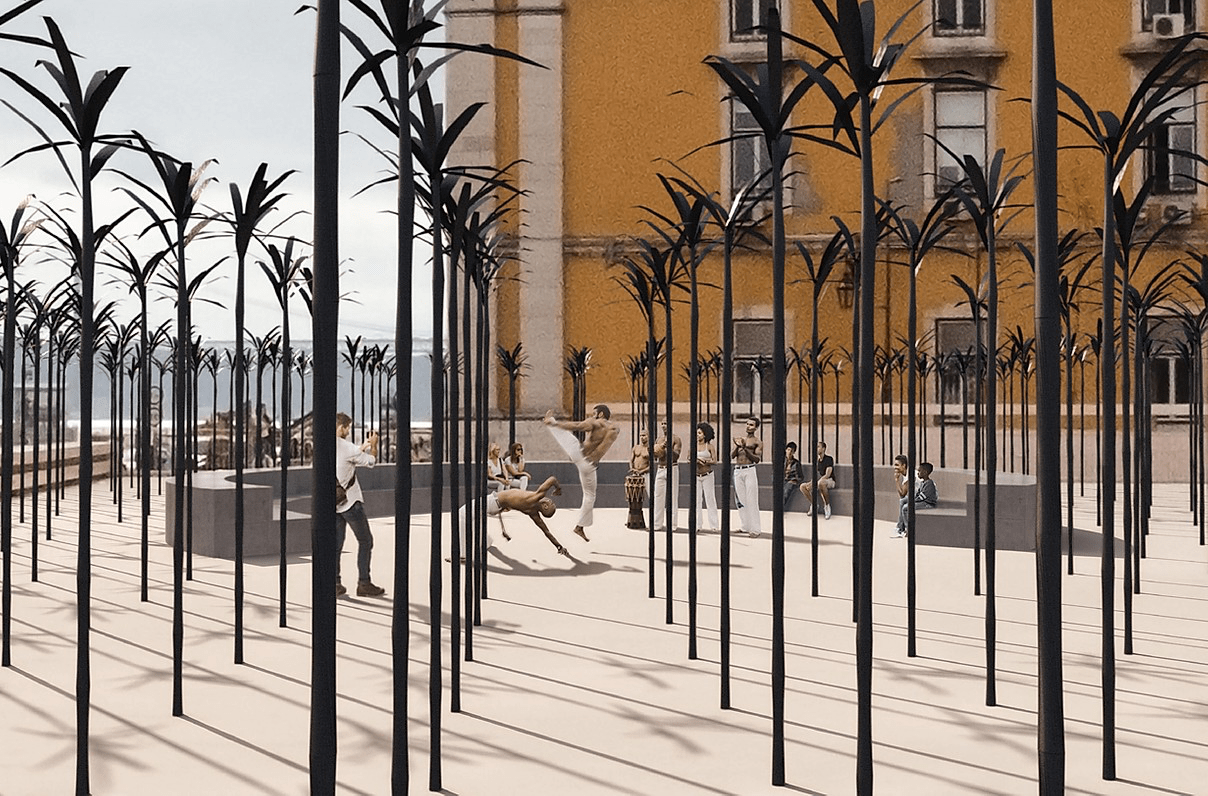
The absence of memorial sites relating to the Atlantic trade of enslaved African peoples may also be said to reflect the almost non-existent debate in Portuguese society regarding the country’s role in expansion, colonialism, and decolonization. Some commentators, scholars, and left-wing politicians occasionally bring the subject to public attention, but it remains largely outside of the main concerns of Portuguese society. The little debate that does exist is sometimes fuelled by events from other countries, such as apologies for colonial-era massacres, the removal of monuments associated with the colonial past, and the restitution of museum artifacts illegally taken from the colonies.
This limited debate is coupled with the fact that the history of Portuguese expansion, colonialism, and decolonization remains misunderstood by the majority of the population. The academic curriculum in Portuguese schools does not offer a global understanding that examines how the country engaged in the trade of enslaved peoples, forced labour, massacres, and many other forms of violence inflicted upon the populations Portugal once dominated. Students have a curriculum that remains largely concerned with a one-sided perspective, without acknowledging the multiple dimensions of the country’s participation in expansion, colonialism, and decolonization.
We should also add that Portugal has not been confronted with strong demands to acknowledge the country’s role in the trade of enslaved peoples from across the Atlantic. Although there have been some appeals, namely from academics, for Portugal to apologize for having enabled, encouraged, and profited from this form of trade, as well as to take measures for financial reparations, the voices pushing in this direction have not yet gained momentum. Thus far, Portugal is yet to follow the example of other countries, the most recent of which being the Netherlands, with their apology for their involvement in the Atlantic trade of enslaved peoples.
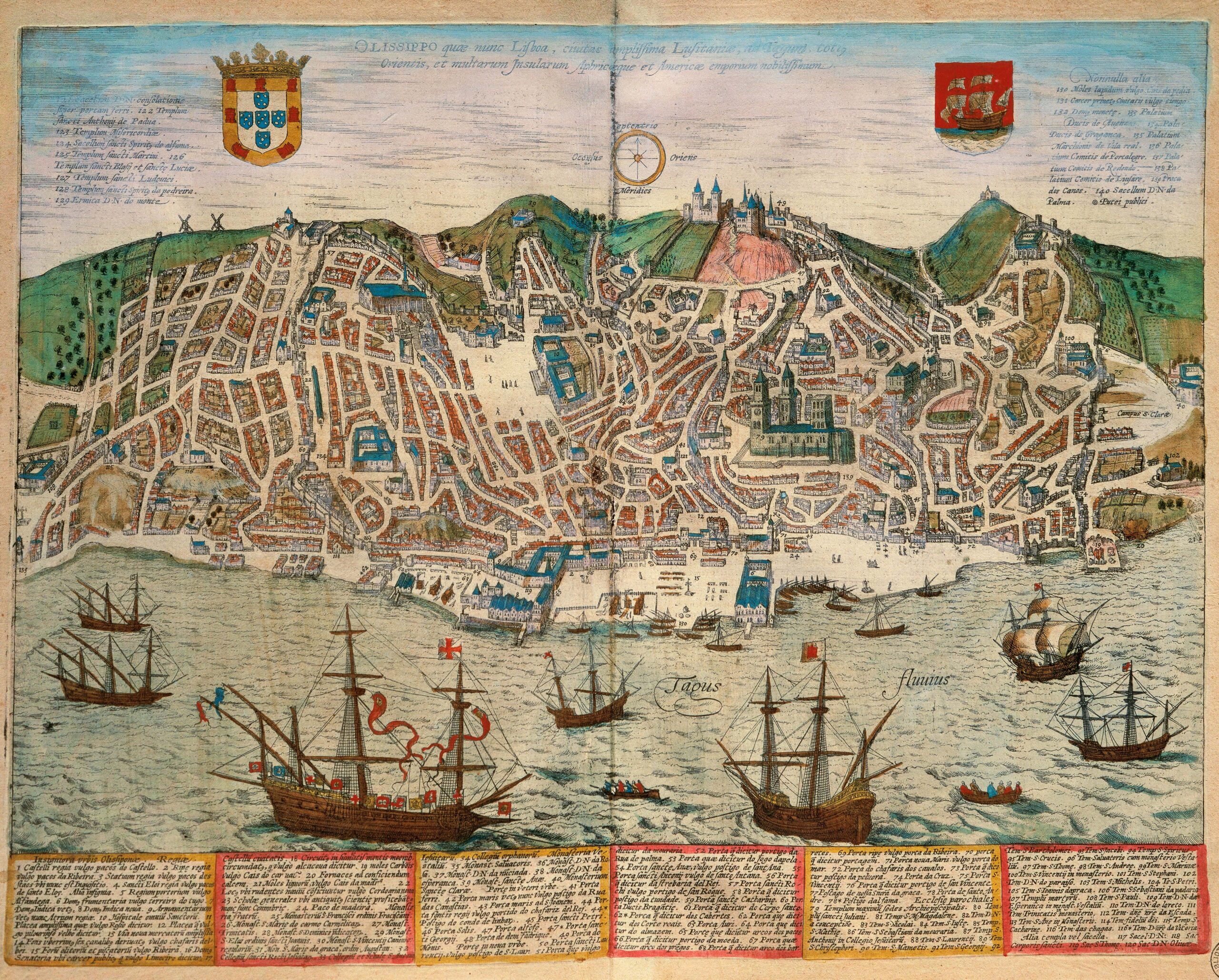
Examples of sites that could be memorialized
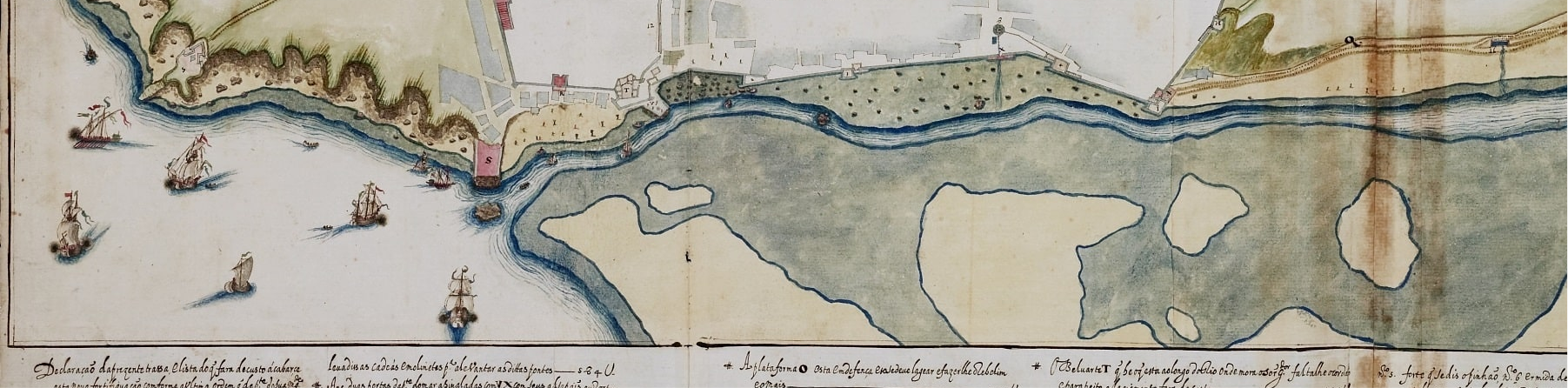
This background helps contextualize the poor representation of the trade in enslaved peoples in the Portuguese public space, which is all the more surprising given that there is no lack of places that could be transformed into memorial sites. The Portuguese ports, in Lisbon, but also along the Algarve for instance, from which ships departed to forcibly transport African captives across the Atlantic are amongst such places. Likewise, places known for having received enslaved individuals, such as Lisbon and the regions of Ribatejo, Alentejo, and the Algarve, also have a wealth of historical venues in which memorials could be housed.
Another avenue to be explored are the places built or transformed using profits from the trade of enslaved peoples. One example is the Quinta do Relógio (Villa of the Clock) in Sintra, also suggestively known as Quinta do Conde de Monte Cristo (Villa of the Count of Monte Cristo). Dating from the 18th century, the villa was acquired in the 1850s by Manuel Pinto da Fonseca, known as the Count of Monte Cristo, from the riches he had made as a consequence of his participation in the Atlantic trade of enslaved African peoples.
Further information:
🔶 The Contested Histories Initiative. “Slave Market Museum in Portugal” in
. Can be consulted online:
Radio program
about the memorial for enslaved people to be built in Lisbon. Can be consulted online:
Table of Contents

Table of Contents
Aurora Almada e Santos is a researcher at the Contemporary History Institute of the New University of Lisbon, a leading institution in the study of Portuguese contemporary history. Her main research interest is Portuguese decolonization, namely the international dimension of the struggle for self-determination and independence of the Portuguese African colonies. Her current research activities include the publishing of articles and book chapters, the organization of publications and conferences, as well as the teaching of courses relating to African history.
Aurora Almada e Santos, “Portugal e a Limitada Reflexão sobre o seu Passado Colonial” in
, 30 Setembro 2022. Can be consulted online: HERE Isabel Castro Henriques.
. Lisboa: Comité Português do Projecto da UNESCO Rota do Escravo, 2001, p. 79. Jorge Fonseca.
. Setúbal: Comité Português de “A Rota dos Escravos”, s.d., p. 12. Can be consulted online: HERE
Print PDF 🇬🇧
SEE MORE